We can't smoke weed without a planet to do it on. Here's what we're doing to minimize our footprint:
Our facility was designed and constructed by the owners with sustainability at the forefront. The goal was to impact the environment as little as possible, both during the construction phase and throughout operations.
Concrete-free: One of the most polluting and resource-intensive materials in the world is concrete, so we built 100% concrete free. We designed a post frame structure that utilizes footings made from recycled plastic. The floor "floats" on leveled sand with insulation and subflooring directly above.
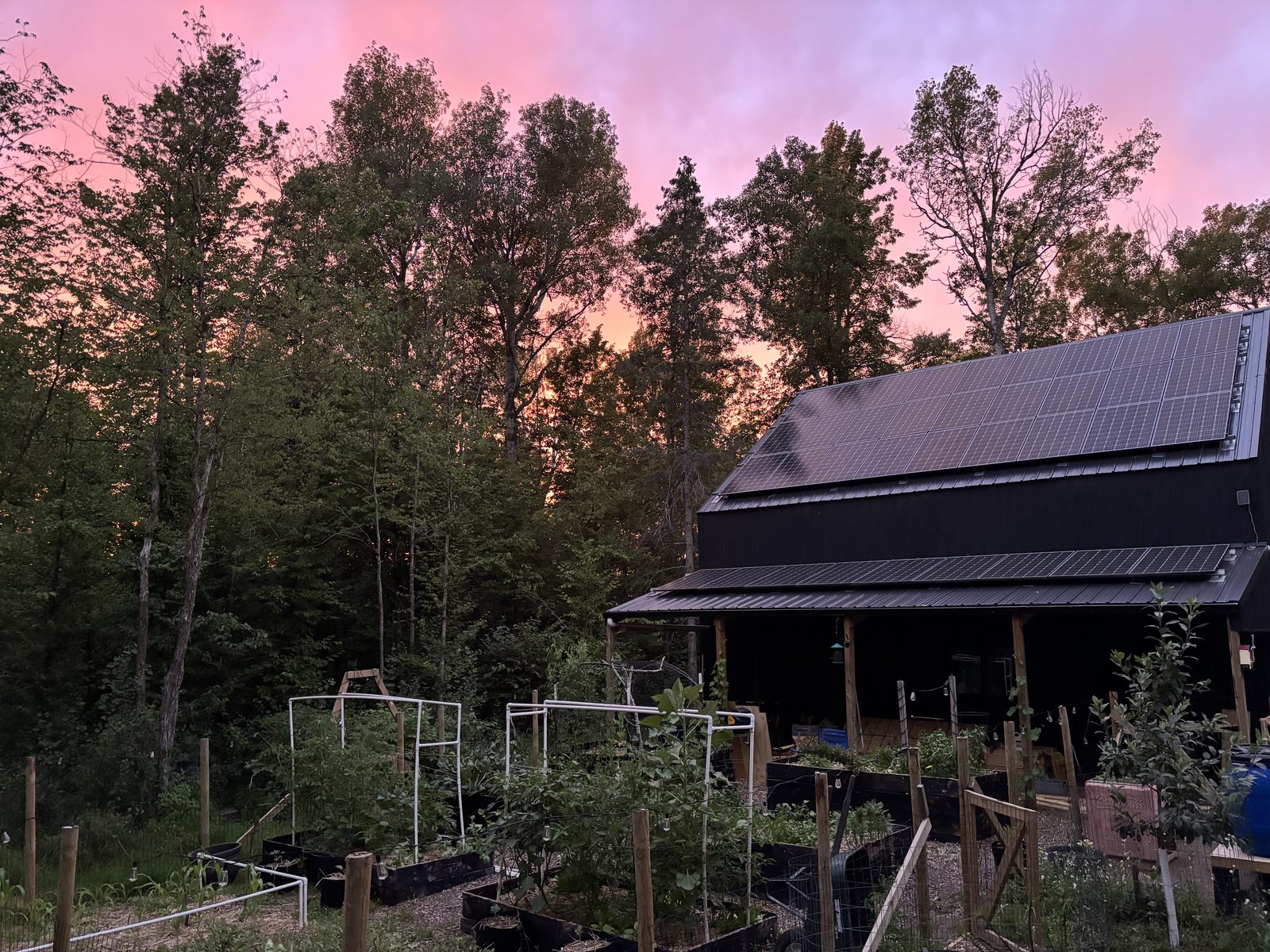
Built for solar: The facility was designed with solar power production in mind. Most of the roof area is perfectly south facing and has a high slope, both of which are ideal for solar production in Minnesota.
Siding: Steel siding covers the building, some of which was salvaged from a demolition site. At the end of the facility's life, the steel can be recycled and/or reused.
Flooring: All flooring is made from recycled tires. Not only does this keep tires out of landfills, it gives us floors that are durable and easily cleaned.
Insulation: The facility is tightly insulated to reduce energy usage for both heating and cooling.
Trees: Our property is completely forested, so some tree removal was unfortunately unavoidable. We chose a site with the fewest trees impacted, most of which were old poplars that were rotting and nearing the end of their natural life cycle.
The facility runs entirely on rainwater collected from the roof of the building. Every drop of water we use — for drinking, irrigation, cleaning, and handwashing — began as rain on our roof.
An entire room is dedicated to rainwater storage and chemical-free treatment. We sourced discarded tanks from the beverage industry to reuse as our water storage tanks.
The aquaponic system itself recirculates water constantly. The fish fertilize the water, the plants clean the water, that same water returns to the fish. Very little leaves the loop.
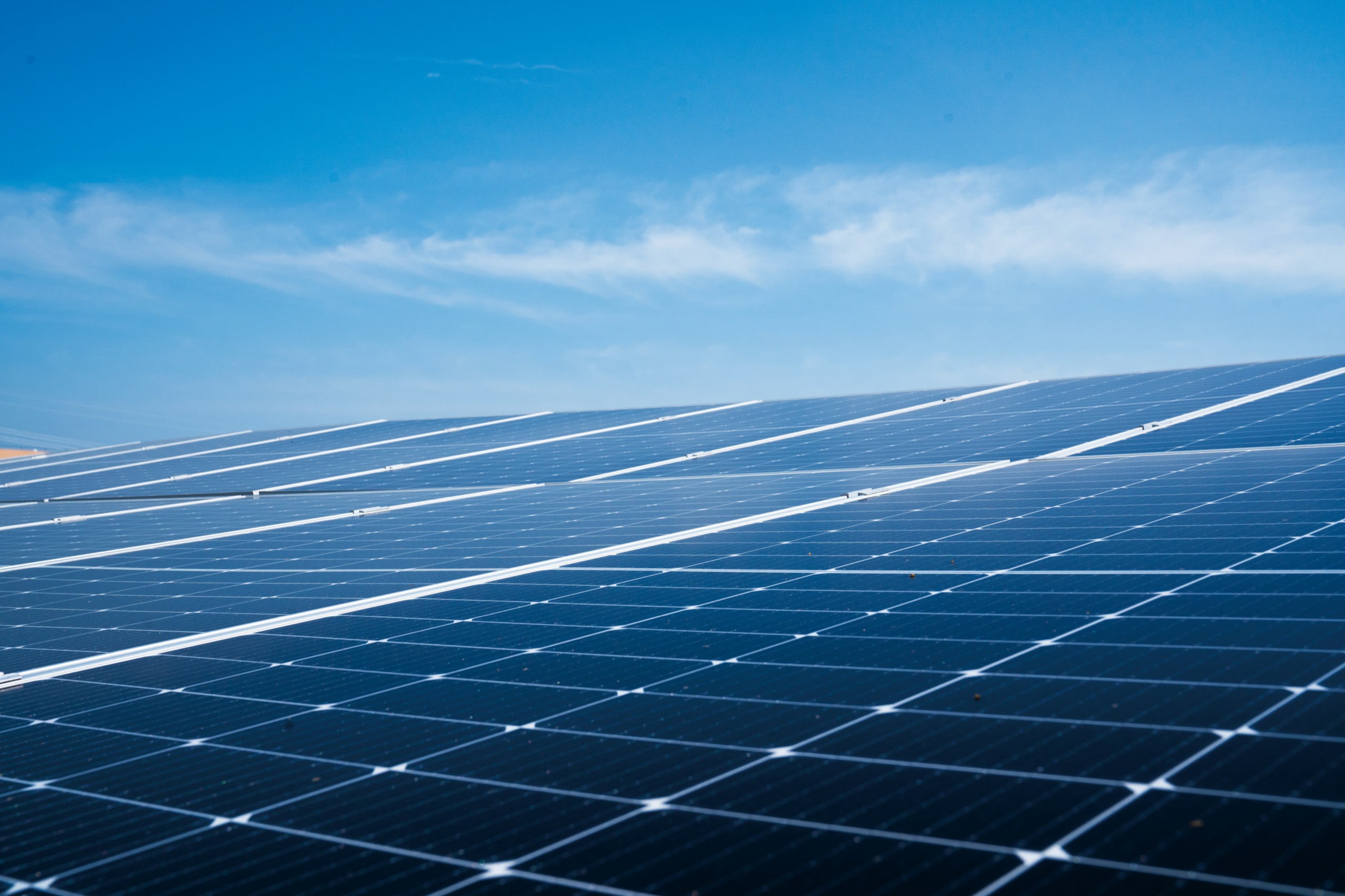
Aquapotic is dedicated to reducing electricity consumption and producing as much renewable power on-site as possible. A 10 kW grid-tied solar array covers almost all available (south facing) roof space on the facility.
The owners have decided to avoid any fossil fuel burning equipment and opt instead for electric appliances. Electric heat pumps are used for heating and cooling the facility. All lights, for growing and otherwise, are LED.
We aim to add solar and/or wind production to the site in the future as finances and regulations allow.
Waste is inherently greatly reduced when using aquaponic systems, but we still end up with some.
Extremely minimal. Wastewater comes mostly from hand and equipment washing rather than cultivation itself, and is pumped periodically into municipal septic to comply with local rules.
Plant waste, unusable fish waste, paper towels, and other biodegradables are composted on site.
We recycle all materials that local facilities accept.
Completely avoiding non-recyclable waste is next to impossible at present, so any trash is responsibly disposed of at our local solid waste station.